Commercial Waste Collection in Cleared London
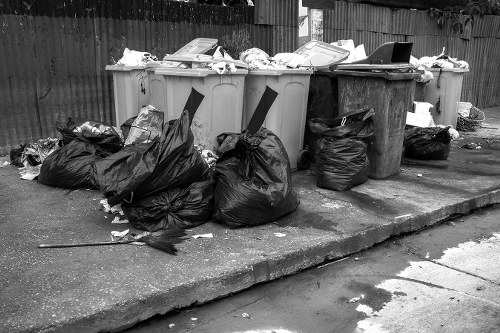
Commercial waste collection services in Cleared London

Cleared London is a bustling hub of business activity, and with it comes the significant responsibility of managing commercial waste efficiently. Effective waste collection not only ensures a clean and healthy environment but also contributes to the city's sustainability goals.

Businesses in London generate a diverse range of waste, from office paper and electronics to construction debris and hazardous materials. Proper disposal and recycling are crucial to minimize environmental impact and comply with regulatory standards.

Understanding the complexities of commercial waste management is essential for businesses aiming to reduce their carbon footprint and promote eco-friendly practices. This article delves into the various aspects of commercial waste collection in Cleared London, providing insights and strategies for effective waste management.

A person wearing blue jeans and footwear is pushing a wheelbarrow filled with dark, moist soil along a paved pathway in a garden or outdoor area. The wheelbarrow has a metal frame with a single front wheel and two sturdy side legs, with its tray showing signs of rust and wear. Surrounding the pathway on both sides are green plants and a neatly maintained lawn, typical of a residential or commercial outdoor setting in London. The background features a row of trees or shrubs and a hint of bright sunlight, suggesting a clear day. The image, associated with rubbish removal services, emphasizes the collection or transportation of garden or landscaping debris, which Cleared London handles as part of their waste management solutions in the local area.

Understanding Commercial Waste

Types of Commercial Waste

Commercial waste encompasses a wide array of materials generated by businesses. These can be broadly categorized into the following:

  • General Waste: Non-recyclable materials such as food scraps, packaging, and office supplies.
  • Recyclable Waste: Materials like paper, cardboard, glass, and certain plastics that can be processed and reused.
  • Hazardous Waste: Dangerous substances including chemicals, batteries, and electronic waste that require specialized handling.
  • Organic Waste: Biodegradable materials such as food waste and garden refuse, which can be composted.
  • Construction and Demolition Waste: Debris from building sites, including concrete, wood, and metals.

Each type of waste requires specific collection and disposal methods to ensure safety and compliance with environmental regulations.

Proper segregation of waste at the source is a fundamental step towards efficient waste management. It facilitates easier recycling and reduces the volume of waste that ends up in landfills.
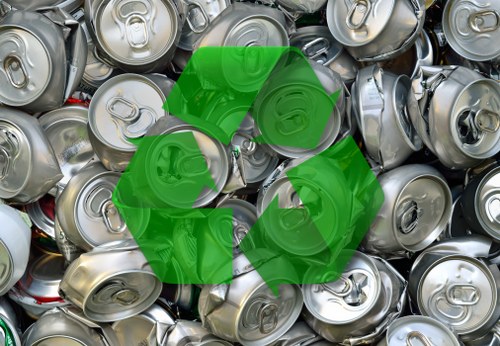
The image shows a close-up view of numerous aluminium beverage cans piled together, with some cans overlapping each other in a dense arrangement. The cans are primarily silver in colour, with visible pull tabs and smooth, reflective surfaces that display highlights and shadows, indicating their metallic finish. The background consists entirely of these cans, creating a textured and cluttered appearance typical of recyclable waste. Among the cans, a green recycling symbol is superimposed, emphasizing the importance of waste separation and recycling practices. The overall scene suggests a focus on waste materials such as used drink containers, which are often handled by rubbish removal services like those offered by Cleared London, especially in urban areas like London or surrounding boroughs. The lighting is even, with no harsh shadows or bright spots, maintaining a neutral, professional tone suitable for a waste management context.

Benefits of Professional Waste Collection Services

Efficiency and Reliability

Engaging professional waste collection services in Cleared London offers numerous advantages:

  • Scheduled Pickups: Regular and timely waste collection ensures that commercial spaces remain clean and clutter-free.
  • Compliance: Professional services are well-versed in local regulations, helping businesses adhere to waste disposal laws.
  • Customized Solutions: Services can be tailored to meet the specific needs of different businesses, whether it's a small office or a large manufacturing unit.
  • Resource Optimization: Outsourcing waste management allows businesses to focus on their core operations without the hassle of handling waste disposal internally.
  • Environmental Responsibility: Professionals employ sustainable practices, including recycling and waste reduction strategies, contributing to a greener London.

By partnering with experienced waste collection providers, businesses can enhance their operational efficiency and uphold their commitment to environmental stewardship.

Moreover, professional services often provide additional benefits such as waste audits and consulting to further improve waste management practices.
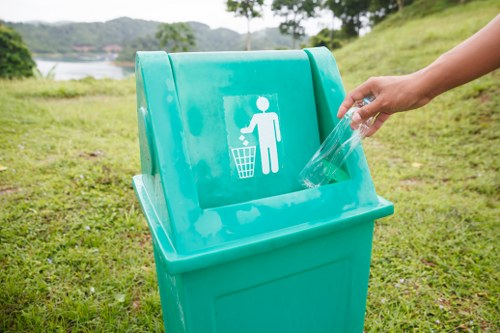
In the foreground, a person's hand is seen holding a clear plastic bottle, about to place it into a bright turquoise recycling bin situated on a grassy area. The bin features a white icon of a person discarding waste into a bin, indicating it is designated for recyclables. The surrounding environment includes a green lawn, with a scenic backdrop of trees, a water body, and possibly distant hills under a clear sky. The bin's smooth, glossy surface contrasts with the natural, textured grass and distant foliage. This scene appears to be outdoors, likely in a park or rural setting, emphasizing environmental responsibility and proper waste disposal practices within the local area. The image exemplifies community efforts supported by Cleared London for efficient rubbish collection, focusing on environmentally conscious waste management solutions in London and surrounding regions.

Strategies for Effective Waste Management

Implementing Recycling Programs

Recycling is a cornerstone of sustainable waste management. Businesses can implement comprehensive recycling programs by:

  • Educating Employees: Training staff on proper waste segregation techniques.
  • Providing Clear Labels: Using clearly marked bins for different types of recyclable materials.
  • Partnering with Recyclers: Collaborating with local recycling facilities to ensure proper processing of materials.
  • Monitoring Progress: Regularly reviewing recycling rates and identifying areas for improvement.

Effective recycling programs not only reduce waste but also lower disposal costs and enhance the company’s reputation as an environmentally conscious entity.

In addition, businesses can explore opportunities for upcycling and repurposing materials to further minimize waste.
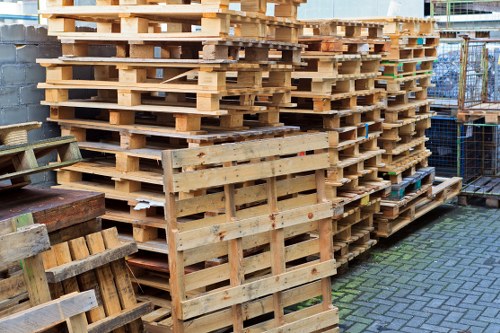
A large stack of untreated wooden pallets arranged in an outdoor storage area on a paved surface. The pallets are primarily light beige with visible wood grain and some darker areas from use and weathering. They are piled horizontally, with the majority leaning slightly to the right, creating a dense, layered appearance. Surrounding the pallets, there are a few smaller wooden crates and a weathered wooden workbench or platform to the left, indicating a site where waste or discarded pallets might be collected. In the background, a metal fence with mesh panels encloses the area, and there is partial visibility of brick or concrete walls and urban structures, suggesting a commercial or industrial environment in London. The overall scene is well-lit, likely during daylight hours, highlighting the textures and natural tones of the wood, aligning with a professional rubbish removal service focused on pallet and waste collection in the London area.

Choosing the Right Waste Collection Partner

Factors to Consider

Selecting a reliable waste collection partner is critical for successful waste management. Consider the following factors:

  • Experience and Expertise: Ensure the provider has a proven track record in handling commercial waste.
  • Service Range: Look for comprehensive services that cover all types of waste your business generates.
  • Compliance and Certifications: Verify that the provider adheres to local regulations and holds necessary certifications.
  • Environmental Practices: Choose a partner committed to sustainability and eco-friendly waste processing methods.
  • Customer Support: Reliable customer service is essential for addressing any issues promptly.

Taking the time to evaluate potential waste collection partners ensures that your business benefits from efficient, compliant, and sustainable waste management solutions.

Additionally, consider the scalability of services to accommodate future growth and changes in your business operations.
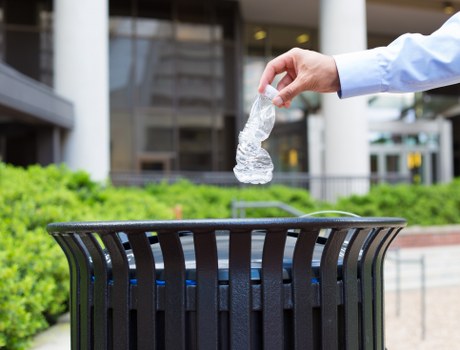
A person's hand, clothed in a light blue long-sleeved shirt, is seen holding a crumpled clear plastic water bottle above a black plastic rubbish bin with vertical slats, situated outdoors on a paved surface. The background features a modern building with glass windows and structural elements, along with some greenery and neatly trimmed bushes. The scene appears to be part of a commercial or urban environment in London, aligning with Cleared London's rubbish removal services. The lighting is bright and natural, indicating daytime, with the focus on the action of discarding the plastic bottle into the bin, exemplifying waste disposal at a business or public space within the city.

Innovations in Waste Collection

Technological Advancements

The waste management industry is evolving with technological innovations that enhance efficiency and sustainability:

  • Smart Bins: Equipped with sensors to monitor waste levels and optimize collection routes.
  • Automated Sorting: Advanced machinery that accurately separates different types of waste for recycling.
  • Data Analytics: Utilizing data to track waste generation patterns and identify areas for reduction.
  • Electric Vehicles: Transitioning to electric fleets to reduce carbon emissions from waste collection.
  • Mobile Applications: Facilitating real-time communication between businesses and waste collection services.

These innovations contribute to more efficient waste management processes, lower environmental impact, and cost savings for businesses.

Embracing new technologies can position businesses as leaders in sustainability and operational excellence.
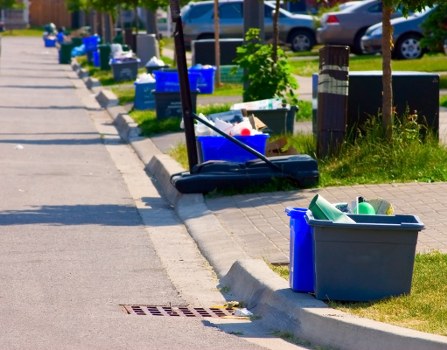
A clear suburban street scene showing a row of blue and grey rubbish bins placed along the edge of a paved sidewalk, which is bordered by a grassy verge. The bins contain various waste materials, including plastic bottles and packaging, some of which are visible protruding from the open lids. A black and grey litter pick-up tool with a long handle is resting against one of the bins. In the background, there are parked cars, trees, and residential houses, suggesting a residential area typically serviced by commercial waste collection providers like Cleared London. The pavement appears clean and well-maintained, with a metal drainage grate visible near the curb, and the environment is shaded by leafy trees, under a bright daytime sky providing natural lighting.

Regulatory Framework

Compliance Requirements

Businesses must navigate a complex regulatory landscape to ensure proper waste disposal. Key regulations include:

  • Environmental Protection Act: Governs the general handling and disposal of waste to protect the environment.
  • Waste Electrical and Electronic Equipment (WEEE) Directive: Mandates the recycling of electronic waste.
  • Hazardous Waste Regulations: Sets strict guidelines for the disposal of dangerous substances.
  • Local Council Regulations: Vary by borough, covering aspects like collection schedules and permitted waste types.
  • Carbon Footprint Reporting: Requires businesses to track and report their greenhouse gas emissions related to waste management.

Staying informed about these regulations and ensuring compliance is essential to avoid penalties and promote sustainable business practices.

Collaborating with knowledgeable waste collection partners can help businesses navigate regulatory requirements effectively.
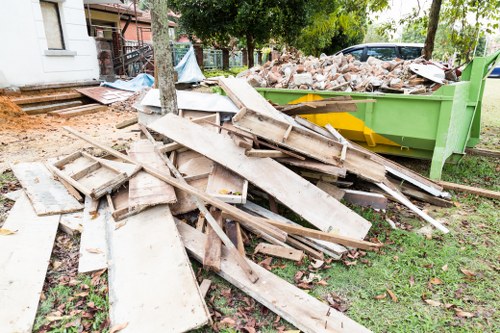
A pile of discarded wooden debris, including weathered and broken planks with rough textures and faded, peeling paint, is spread on a grassy area next to a green skip filled with bricks and rubble. The wooden materials vary in size and shape, some with sharp edges and splintered surfaces, and are placed on the ground adjacent to a paved pathway. In the background, there are trees, a partially visible residential building, and additional construction or demolition waste. The scene appears to be outdoors during daytime, with natural light illuminating the waste materials, and the environment suggests a site for rubbish removal or clearance, typical of a London suburban or inner-city setting. Cleared London’s rubbish removal service is implied through the context of the image, highlighting typical waste collection and disposal activities related to building debris.

Cost Management

Optimizing Waste Collection Costs

Effective waste collection is a significant operational cost for businesses. To manage and reduce these expenses, consider the following strategies:

  • Waste Audits: Conduct regular assessments to identify waste generation sources and opportunities for reduction.
  • Efficient Scheduling: Optimize pickup schedules to match actual waste generation rates, avoiding unnecessary collections.
  • Recycling Initiatives: Increase recycling to divert waste from landfills, potentially reducing disposal fees.
  • Employee Engagement: Encourage staff to adopt waste reduction practices, minimizing overall waste volume.
  • Contract Negotiation: Leverage competitive bids to secure favorable terms with waste collection providers.

Implementing these strategies can lead to substantial cost savings while maintaining effective waste management.

Additionally, investing in waste reduction initiatives can have long-term financial and environmental benefits for the business.

A young woman with light brown hair and a friendly smile is standing against a plain white background, holding several plastic bottles in her arms. The bottles vary in size and color, including green, clear, and blue, and are made of transparent or semi-transparent plastic with visible ridges and labels. She is wearing a light blue long-sleeved shirt, and her hands are gently cradling the bottles, which are slightly tilted inward. The scene is well-lit with soft, even lighting, highlighting the clear textures of the plastic bottles. This image conveys a focus on waste collection or recycling activities, aligning with waste management services such as those offered by Cleared London in the context of rubbish removal. The neutral background keeps all attention on the bottles and the individual, emphasizing the importance of responsible disposal of plastic waste within urban environments like London, postcode inferred from the context. The visual presentation underscores environmentally conscious waste handling consistent with commercial rubbish collection practices in the capital city.

Sustainability and Corporate Responsibility

Aligning Waste Collection with Business Goals

Incorporating sustainable waste collection practices aligns with broader corporate responsibility goals. This alignment can be achieved by:

  • Setting Clear Objectives: Define specific waste reduction and recycling targets.
  • Integrating Sustainability into Policies: Embed environmental considerations into business operations and decision-making.
  • Engaging Stakeholders: Involve employees, customers, and suppliers in sustainability initiatives.
  • Reporting and Transparency: Regularly communicate progress towards sustainability goals through reports and updates.
  • Continuous Improvement: Seek out and implement new practices and technologies to enhance waste management.

By prioritizing sustainability in waste collection, businesses in Cleared London can contribute to environmental preservation and enhance their reputation as responsible corporate citizens.

Moreover, sustainable practices often lead to operational efficiencies and innovation, benefiting the business in multiple dimensions.

An outdoor scene at a London market stall displaying a large assortment of miscellaneous household and decorative items, including brass and copper cookware such as pots and kettles, various ceramic and glass jars, antique-style clocks, picture frames, and ornamental objects. The items are piled on tables and shelves, with some hanging from above, creating a cluttered appearance. The surface finish of the items varies from polished metals to matte ceramics. The background shows a partly visible blue sky and other market stalls, suggesting an open-air setting typical of a borough market or street fair in London. The setting conveys a busy, eclectic atmosphere with a focus on secondhand and vintage objects that are often targeted by rubbish removal services like those provided by Cleared London for clearing unwanted household or commercial goods in the capital.

Conclusion

Embracing Effective Waste Collection

Commercial waste collection is a critical component of business operations in Cleared London. By understanding the types of waste, leveraging professional services, implementing effective strategies, and embracing sustainability, businesses can manage their waste efficiently and responsibly.

Investing in robust waste management practices not only ensures compliance and cost savings but also demonstrates a commitment to environmental stewardship. As London continues to grow, the importance of sustainable waste collection will only increase, making it essential for businesses to adapt and innovate their waste management approaches.

Contact us today to learn how our comprehensive commercial waste collection services can support your business's sustainability goals and operational efficiency.

Frequently Asked Questions

Our team utilizes state-of-the-art equipment and industry-approved methods to ensure efficient and safe waste collection. From high-capacity trucks to advanced sorting systems, we handle all types of commercial waste with precision. Contact our team for a quick quote.

We are accredited by leading industry bodies such as the Environmental Protection Agency (EPA) and the Waste Management Professional Association (WMPA). These certifications demonstrate our commitment to higher standards and reliable service. Reach out today to learn more.

Yes, our licensed commercial waste collection services come fully insured and certified, ensuring legal compliance and protection for your business. We prioritize safety and reliability in every job. Contact us for your waste management needs.

Our company boasts a 95% recycling rate, reflecting our dedication to environmental responsibility. We implement sustainable practices to minimize landfill waste and promote recycling. Get in touch with our team to support eco-friendly waste management.

With over 20 years of experience, we have a proven track record in delivering reliable and efficient commercial waste collection services. Our expertise ensures your waste management needs are handled professionally. Call us today for dependable service.

Absolutely. We prioritize safety alongside affordability, using certified methods and equipment to manage your waste securely and responsibly. Our competitive pricing doesn’t compromise the quality or safety of our services. Request a quote now.

We maintain complete transparency in our pricing, providing detailed quotes with no hidden fees. Our clear communication ensures you understand all costs upfront, fostering trust and reliability. Contact us for an honest and straightforward quote.

Our licensed service adheres to strict ethical standards, including responsible waste handling, compliance with environmental laws, and fair treatment of all clients. We are committed to integrity in every aspect of our operations. Learn more by reaching out today.

Yes, our local service is trusted for its high recycling rates and commitment to sustainability. We prioritize eco-friendly waste management solutions tailored to your business needs. Get in touch with our nearby team for effective waste services.

Our commercial waste collection services hold all necessary certifications, including ISO 14001 for environmental management and local regulatory permits. These certifications confirm our legal compliance and dedication to best practices. Contact us for compliant waste solutions.

We handle various waste types, including hazardous materials, recyclables, and general commercial waste, using specialized equipment and trained staff to ensure safe and efficient processing. Our versatile services cater to all your waste management needs. Request a service today.

Choosing a licensed and insured provider ensures professional, reliable, and legally compliant waste management. Our licenses and insurance protect your business while we handle your waste responsibly and efficiently. Contact us to choose a secure waste collection partner.
Cleared London

A comprehensive guide to commercial waste collection in Cleared London, covering types of waste, benefits of professional services, effective management strategies, and the importance of sustainability.

Call Now!
Get a Quote

Get In Touch With Us.

Please fill out the form below to send us an email and we will get back to you as soon as possible.