House clearance in Cleared London
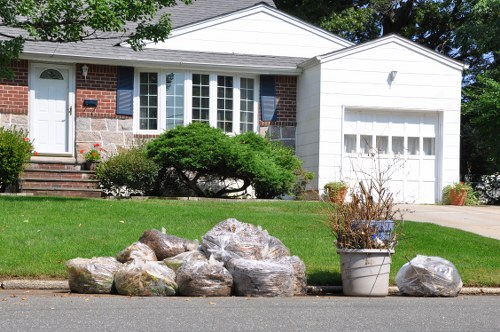
House clearance in Cleared London is a practical service for removing unwanted furniture, household contents and general clutter from homes that need to be emptied, tidied or prepared for a next step. We help with full and partial clearances, so the work can be scaled to the property, the volume of items and the level of sorting needed. Whether the aim is to clear a single room or an entire house, the focus is on sensible handling, careful removal and a straightforward outcome.
Clearance work often involves more than carrying items out of a property. It can include separating reusable items from waste, identifying bulky furniture, dealing with awkward access and deciding what should be kept aside for the owner. We take a structured approach so that the work remains manageable and so that the property can be left in a condition ready for cleaning, sale, letting or renovation. The service is designed around the actual contents, not a one-size-fits-all routine.
If you need help getting started, you can request a quotation after choosing the level of clearance that best suits the property. A few details about the rooms, the items involved and the access available will usually make it easier to plan the work. Cleared London can then look at the most suitable way to carry out the clearance and keep the process simple for you.
Full and partial house clearance options
Not every property needs a complete emptying. Some customers only want specific rooms cleared, such as a loft, garage, spare bedroom or front reception room. Others need a larger job because a house is being emptied after a move, a renovation or a change in occupancy. We can work to either brief, which means the service can be shaped around the rooms and items that matter most rather than removing everything automatically. That flexibility is often useful when family belongings, furniture and general household waste are mixed together.
For larger clearances, the work is usually easier when items are grouped by type before removal. That might mean old furniture, soft furnishings, small appliances, boxed household goods or mixed rubbish. When a property contains a combination of keep, donate, recycle and dispose items, it helps to decide on those priorities before the clearance begins. pricing and quotes can also be discussed in relation to the amount to be removed, the access route and any special handling that may be needed for heavy or delicate items.
Working room by room
Room-by-room clearance can be a sensible way to manage a house that is still partly in use. One room may need a full clear while another only needs bulky furniture removed. It can be useful for landlords, homeowners and relatives arranging an estate or probate property. A measured approach keeps the remaining contents separate from the items leaving the property, which reduces confusion and makes the job more controlled from start to finish.Furniture removal and bulky item handling

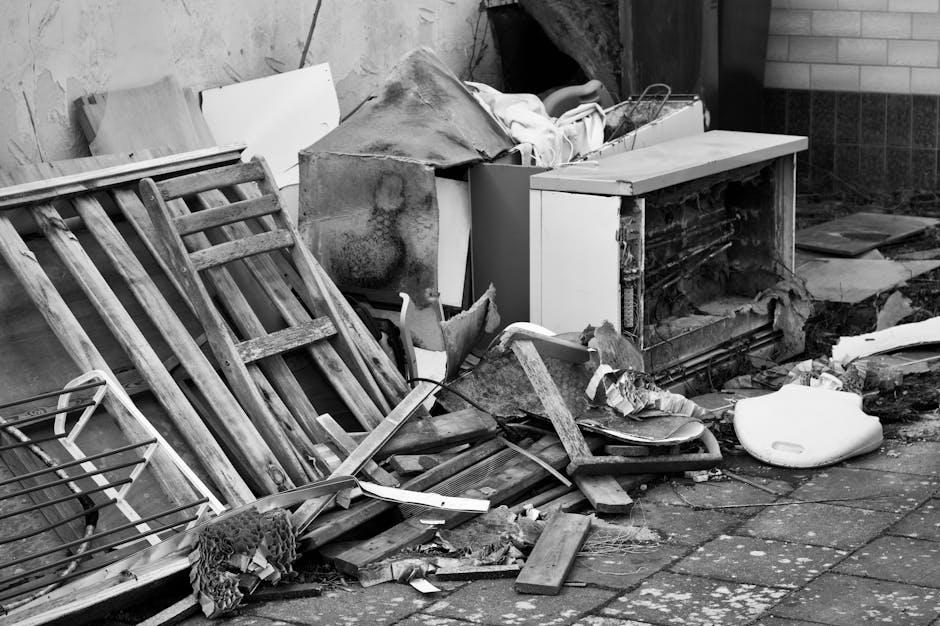
Many house clearances centre on bulky furniture that is no longer needed. Sofas, wardrobes, beds, tables, chairs and cabinets can take up considerable space and often need to be moved carefully through narrow hallways or stairwells. We handle these items as part of the wider house clearance work, rather than treating them as an afterthought. That matters when furniture has to be dismantled, carried from an upper floor or removed without disturbing nearby walls, floors and door frames.
Some items may be suitable for reuse, while others are only fit for disposal. That decision depends on condition, material and practical handling requirements. Items with broken frames, water damage or extensive wear may need different treatment from furniture that is simply outdated or surplus to requirements. In a house clearance, it is often useful to separate large reusable pieces from mixed waste so that the job can be completed in an orderly way. Where relevant, we can also discuss furniture clearance as a focused part of the work.
White goods and other heavy items
Large household appliances need particular care because of their size, weight and the way they are connected or stored. Fridges, washing machines and similar items may require extra handling, especially in properties where there are steps, tight corners or limited outside access. These tasks sit naturally within a house clearance when the appliance is part of the contents to be removed. The same applies to mattresses, beds and other oversized objects that are awkward to carry through a home.Lofts, garages and storage-heavy spaces
House clearance is not always about the main living rooms. In many properties, the most time-consuming spaces are the loft, garage or outbuilding, where years of storage have built up into mixed piles of boxes, broken items, old tools, seasonal goods and forgotten furniture. These spaces often need sorting before the actual clearance can begin. We can help remove the contents from such areas as part of a wider household clearance, giving you a clearer view of what is kept, recycled or disposed of.
A useful approach is to decide which containers, labelled boxes or stored personal items should be left untouched before the bulk removal starts. Some attics and garages contain a mix of valuables and low-value items, so careful separation matters. It is also common for these spaces to include dust, awkward access and restricted headroom, which makes the work more physically demanding. A planned clearance can make the difference between a manageable job and a frustrating one, particularly where the property still needs to stay usable during the process.
Access matters in storage-heavy spaces, so clear stairways, locked doors, shared hallways and narrow garden routes should be considered in advance. If the loft hatch is small or the garage contains large items that cannot be lifted in one piece, this affects the way the clearance is arranged. Keeping the route to the exit clear and identifying any items that need dismantling helps the day run more smoothly.
Bereavement, probate and sensitive property clearances

Some house clearances require a more sensitive and deliberate approach. Probate properties, bereavement clearances and homes that have been empty for a while often involve personal possessions, paper records, mixed furniture and items that need to be reviewed rather than removed in haste. In these situations, the service needs to respect what is being sorted and what the property owner, executor or family member wants to retain. The work can be partial or complete, depending on the instructions given.
In probate and related clearances, the practical challenge is often to preserve what should be kept while removing what is no longer needed. That may include furniture, general household items and stored belongings from multiple rooms. A calm, methodical sequence is usually best: separate the items of emotional or legal importance, identify what can be moved out safely and leave the remainder in a state that can be assessed again if needed. For a related service, probate house clearance gives a more focused route through this type of work.
When a property has been occupied for a long time, the contents may include layers of storage from different periods. That can make it hard to see what is useful, what is recyclable and what is simply clutter. A careful clearance helps create order without forcing unnecessary decisions too quickly. If a full emptying is not yet appropriate, the work can still be staged in sections so that family or representatives have room to decide on the next step.
What a careful house clearance typically involves
Although every property is different, a house clearance usually follows a sensible sequence. First comes the review of rooms and contents, then the separation of items to keep or remove, followed by the safe lifting and transport of the agreed items. This is especially helpful where several types of contents are present at once, because it reduces the risk of removing something that should stay. It also makes the overall process easier to track and explain.
The work can include many common household categories, and a good clearance plan usually considers them individually rather than as one mixed pile. Typical categories may include:
- general furniture such as beds, tables, chairs and storage units
- soft furnishings including mattresses, sofas and armchairs
- boxed household items and mixed room contents
- small appliances and kitchen items
- garage, loft or shed contents
- general rubbish and clutter collected over time
Where an item needs to be dismantled or carried through shared access, that should be allowed for at the planning stage. The same applies if the property has limited parking, restricted loading space or several floors. A well-run clearance is not just about removing volume; it is about choosing the right order of work so that the property can be cleared without unnecessary disruption.
About Cleared London

London is a large and historically layered city, shaped by the River Thames, its former settlement pattern and the long growth of suburbs, boroughs and transport corridors. The name usually refers to the metropolitan centre as a whole, but the city’s identity is also built from a series of distinct districts, each with its own architecture and character. From the medieval core around the City to the planned squares of the West End and the industrial riverside, the built environment reflects centuries of change. Many parts of London show a mix of Georgian terraces, Victorian mansion blocks, post-war estates and modern redevelopment, often within a few streets of one another. The Thames remains the most important geographic feature, crossing the city from west to east and linking landmarks such as Westminster, the South Bank, the Tower and Greenwich. Public green spaces form another defining layer, with royal parks, commons and smaller neighbourhood gardens offering quieter relief from the density of the streets. London’s cultural life is equally varied: theatres, galleries, markets, museums and music venues sit alongside local high streets, churches, canals and railway arches. Districts such as Bloomsbury, Clerkenwell, Notting Hill, Greenwich and Richmond each carry their own blend of history, planning and everyday life. The city also contains major institutions and ceremonial places, including Westminster Abbey, the Houses of Parliament, St Paul’s Cathedral and the museums of South Kensington, while the East End and Docklands reveal the legacy of trade, migration and reinvention. Rail and Underground lines knit these areas together, but the experience of London remains highly local, with each neighbourhood shaped by its own streets, buildings and shared spaces. That variety is one reason the city is often understood not as a single centre, but as a collection of overlapping places.
Planning the right level of clearance
Choosing the right level of clearance is easier when the property is viewed as a set of practical tasks rather than a single large job. A full house clearance may be right if the home is being handed over, sold or prepared for refurbishment. A partial clearance may suit a property that remains occupied, or where only selected rooms, large items or storage areas need attention. We can help shape the work to the contents actually present, which keeps the brief clear and avoids removing things unnecessarily.
It is often helpful to think about what should happen to the contents before the clearance starts. Some items may be designated for retention, some for reuse and some for disposal. If the property contains both sentimental belongings and straightforward rubbish, that distinction should be made visible. The more clearly the requirements are set out, the easier it is to plan the movement, lifting and final sorting. For general household contents, a related destination such as house clearance can be useful if you want a broader overview of the service.
Keeping the work practical
Practical clearance work often comes down to access, volume and the nature of the items. A ground-floor flat with one sofa and a few cupboards presents a very different job from a three-storey home with a loft, cellar and outbuildings. We therefore look at the work in terms of what can be removed safely, what must stay in place and what needs a little extra handling. That approach helps maintain control and makes it easier to match the service to the property.Recycling, disposal and reusable items

A responsible house clearance does not treat every item in the same way. Some things can be directed towards reuse, some may be suitable for recycling and some will need disposal as waste. The right path depends on the condition of the item, the material involved and whether it has a practical second life. Keeping these categories separate where possible improves the quality of the clearance and makes the outcome more considered than simply emptying the property in one sweep.
This is particularly relevant when the contents include a mixture of furniture, appliances, books, clothing, ornaments and general household clutter. A careful sort can reveal items with value or use that might otherwise have been thrown away with the rest. It can also reduce the amount of mixed waste created by the job. If you are comparing related services, waste recycling and waste disposal are relevant terms where the end point of items matters to the job in hand.
For many homeowners, the key issue is not simply removal but what happens next. A good clearance should leave the property lighter, clearer and easier to work with, while keeping the handling of materials sensible. If you are ready to move forward, a short description of the rooms and items involved is enough to begin. For the final step, you can request a quote and arrange the clearance in a way that suits the property.
House clearance for homes under change
House clearance is often needed when a home is in transition. That can mean a sale, a letting change, a family arrangement, a refurbishment or the end of a long period of storage. In each case, the work is about making the property usable again by removing items that no longer belong there. The contents may have built up gradually, or the situation may have arisen suddenly, but the clearance still needs to be practical, organised and matched to the actual state of the home.
There is also a difference between a clearance that aims to empty everything and one that aims to restore order in a lived-in property. The first is more comprehensive, while the second may focus on bulky objects, surplus furniture and accumulated waste. We can discuss the brief in plain terms and shape the work around that. If the job includes a larger mix of household and office-type items, a broader route such as property clearance may also be relevant, depending on how the premises are being used.
The useful thing about a clearance service is that it can be adapted to the stage the property has reached. Sometimes the work is mainly about speed and access. At other times it is about sensitivity, sorting and making sure certain belongings remain untouched. Either way, a house clearance should be structured enough to be reliable, but flexible enough to cope with the way real homes are actually used.
Getting a quotation and arranging the work
To request a quotation, start with the basics: the type of property, the rooms involved, the main items to be removed and any access points that may affect the job. If the clearance includes a loft, garage, basement or heavy furniture, mention that as well. Photographs can help with planning where appropriate, but they are not the only way to describe the work. A clear written summary is usually enough to begin a sensible discussion.
It also helps to note whether the property is occupied, partly cleared or empty, because that changes how the work needs to be carried out. If certain possessions are staying behind, identify them early so that there is no confusion on the day. A few well-chosen details make the quotation process more accurate and reduce the chance of misunderstandings. If you are ready, the next step is straightforward: contact us to request a quotation for house clearance in Cleared London.
Once the scope is agreed, the clearance can be scheduled in a way that suits the property and the items involved. The aim is to keep the work clear, calm and efficient, while leaving you with a more manageable space. Request a quotation today if you would like help with a home that needs clearing, sorting or partly emptying.