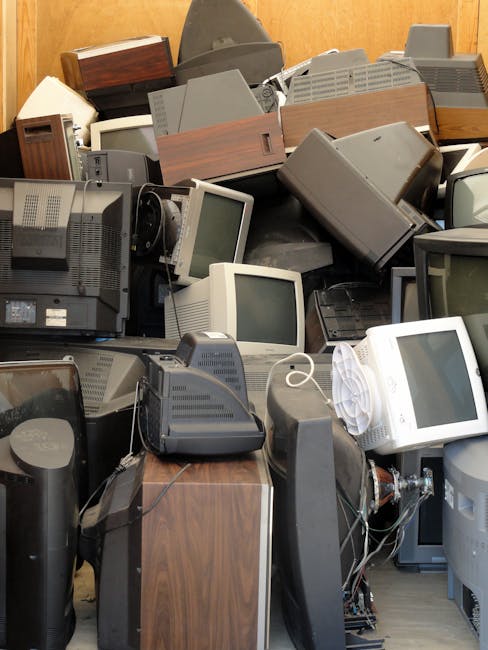
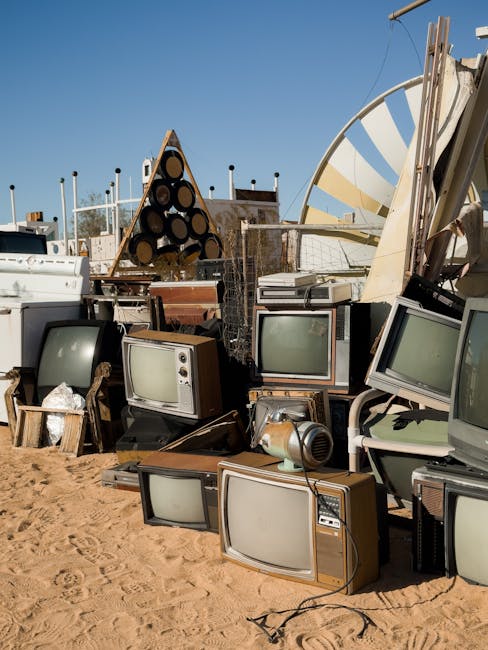
Safe disposal options for fridges and TVs in London
Getting rid of an old fridge or TV sounds simple enough until you actually try to do it. Then the questions start: can it be lifted safely, does it need special handling, what about the gases in the fridge, and where does that bulky television even go? If you are looking for safe disposal options for fridges and TVs in London, you are probably balancing convenience, compliance, and the not-so-small problem of moving something heavy down a stairwell in a terraced house. London homes, flats, and office spaces are not always built for easy appliance removal. That is just the reality.
This guide breaks down the practical choices, the safety issues, and the most sensible way to handle unwanted fridges and TVs without creating risk for your household, your building, or the environment. You will also find a simple process to follow, a comparison of common methods, and a checklist you can use before booking anything. Truth be told, once you know the rules of the game, it becomes far less stressful.
For a broader look at responsible waste handling and reuse, you may also find the company's recycling and sustainability approach useful, especially if you want your disposal decision to line up with greener habits rather than the quickest possible exit.
Quick expert summary: the safest route is usually the one that combines proper lifting, suitable transport, and correct treatment of refrigerants, wiring, glass, and electronic components. Fridges and TVs are not ordinary rubbish. Treat them with a little more care than a broken chair, and you avoid most of the common problems.
Table of Contents
- Why safe disposal matters
- How safe disposal works
- Key benefits and practical advantages
- Who this is for and when it makes sense
- Step-by-step guidance
- Expert tips for better results
- Common mistakes to avoid
- Tools, resources and recommendations
- Law, compliance, standards, and best practice
- Options, methods, and comparison table
- Case study or real-world example
- Practical checklist
- Conclusion
- Frequently asked questions
Why safe disposal options for fridges and TVs in London matters
Fridges and TVs are both awkward to dispose of, but for different reasons. A fridge is a cooling appliance with refrigerants, insulation materials, metal, wiring, and often a lot of weight. A TV, especially older models, may contain fragile glass and electronic components that should not be smashed, dragged, or dumped. If either item is handled badly, you can end up with injury, property damage, and avoidable environmental harm.
In London, the practical issue is amplified by space. Narrow hallways, lifts that are too small, stairwells with tight turns, and parking restrictions all make disposal more complicated than people expect. A fridge that seems manageable on paper can become a two-person, awkward-angle, breathless shuffle in real life. Not ideal, to be fair.
Safe disposal also matters because these items should be processed properly once they leave your property. Fridges may need specialist handling to deal with gases and insulation materials. TVs need to be broken down so valuable materials can be recovered and problem components handled correctly. Doing this properly supports recycling, reduces waste, and helps keep reusable materials in circulation.
There is also a trust angle here. If you use a disposal service, you want to know your item will be removed legally, transported safely, and managed responsibly. That is why it helps to understand not just the cheapest option, but the safest and most sensible one for your circumstances.
Practical takeaway: if an item is heavy, fragile, electrically complex, or awkward to move through your building, the "easy" option is rarely the safest one. A few extra minutes of planning can prevent a messy afternoon.
How safe disposal options for fridges and TVs in London works
At a basic level, safe disposal follows the same pattern whether you are clearing one appliance or several. You identify the item, decide whether it can be reused, prepared for collection, or needs specialist disposal, then arrange transport and final handling. The details matter, though, because fridges and TVs are not processed in exactly the same way.
For fridges
A fridge is often treated as a bulky electrical item with extra environmental considerations. The main concerns are safe lifting, avoiding damage to floors and walls, and ensuring the appliance enters the correct waste stream. A fridge should generally be removed upright where possible, because tipping and dragging can make handling harder and may create leaks or extra mess. If the unit still contains food, ice, or water, it should be emptied and cleaned first. That sounds obvious, but people skip it all the time and regret it immediately when the smell arrives.
For TVs
Televisions can look simple, but they are still electrical equipment and should be handled with care. Screens can crack, internal components can shift, and older units may be especially bulky. Modern flat-screen TVs are lighter than the old box-style sets, but they are still delicate and should not be dropped into a skip or left exposed to rain. If a TV is still usable, donation or resale may be possible. If not, a proper collection or recycling route is usually the safest choice.
What a good disposal service usually does
A proper disposal provider will typically:
- confirm what you want removed and how much access there is;
- plan safe lifting and loading;
- protect the property during removal;
- separate items for reuse, recycling, or specialist treatment where appropriate;
- provide clear pricing or a quote structure;
- handle the job in line with health, safety, and environmental expectations.
If you are comparing providers, the safest signal is usually not a flashy pitch. It is clarity. Clear pricing, sensible timing, proper insurance, and straightforward communication tend to tell you more than a polished headline ever will.
Key benefits and practical advantages
Choosing the right disposal route for a fridge or TV is about more than getting it out of the house. There are real advantages to doing it properly, and they show up quickly.
- Less risk of injury: heavy appliances and awkward screens can strain backs, pinch fingers, and damage stairs or floors if moved badly.
- Cleaner handling: no leaking fluids, broken glass, or smashed casings left in communal areas.
- Better recycling outcomes: materials can be separated properly rather than thrown away carelessly.
- Less stress in tight spaces: London flats, basement kitchens, and shared entrances are much easier to manage with a plan.
- More predictable costs: a well-scoped removal is less likely to turn into a surprise problem halfway through the job.
- Reduced compliance risk: you are less likely to end up with items dumped somewhere they should not be.
A small but important benefit is peace of mind. You do not have to spend the rest of the day wondering whether the appliance was handled properly. Once it is gone, it is gone, and that is worth something. Especially when you are clearing a flat before a move or refreshing a rental property between tenants.
For people who want a provider with a visible focus on responsible handling, it can also be helpful to review the company's about us page alongside health and safety policy and insurance and safety information. Those pages won't remove the fridge for you, obviously, but they do help you judge whether the service is run with care.
Who this is for and when it makes sense
Safe disposal is relevant to a surprisingly wide group of people. It is not just for homeowners who are refurbishing a kitchen. In London, the need comes up in all sorts of situations.
Typical situations
- Moving home: you may be replacing appliances or needing to clear bulky items before completion day.
- Landlords and letting agents: end-of-tenancy clearances often include old TVs and fridges left behind.
- Households upgrading appliances: a new fridge arrives, and the old one has to go somewhere fast.
- Students and sharers: shared accommodation often accumulates mismatched, unwanted electronics.
- Offices and small businesses: staff kitchens, break rooms, and reception areas can build up old appliances over time.
- Estate clearances: larger removals may involve multiple items that need sorting, not just lifting.
It also makes sense if you have a particularly awkward item. For example, an old fridge in a basement flat with one narrow set of stairs is very different from a fridge on a ground-floor service entrance. Same appliance, very different problem. The decision is less about the object and more about the access, weight, and risk.
If you are unsure whether a professional collection is worth it, ask yourself one simple question: can I move this safely without help, damage, or delays? If the answer is "probably not," that is usually your sign.
Step-by-step guidance
Here is a practical process you can follow before arranging disposal. It keeps the job tidy and helps you avoid the usual last-minute scramble.
- Check whether the item can be reused. If the fridge or TV still works, donation or resale may be a better path than disposal. A working appliance is often too useful to treat as waste immediately.
- Empty and prepare the item. Remove food, shelves, loose parts, cables, and accessories. For TVs, detach stands and remotes if they are being handed over separately.
- Measure access routes. Doorways, stairs, lifts, and hallways matter. Measure the item and the tightest point it must pass through.
- Take note of condition. Is the fridge leaking? Is the TV screen cracked? Is the unit unusually heavy? These details affect handling.
- Decide on the disposal route. Choose between reuse, specialist collection, recycling, or a general clearance service depending on condition and urgency.
- Request a clear quote. Be honest about what needs removing, where it is located, and whether there are parking or access restrictions. That saves everyone time.
- Prepare the route on collection day. Move small obstacles, protect floors if needed, and keep pets or children away while the item is being taken out.
- Confirm what happens next. Ask how the item will be processed after removal, especially if sustainability is important to you.
A surprisingly common mistake is waiting until the van arrives before thinking about the stairs. By then, it is too late to notice the TV stand is wedged behind a radiator. Been there, seen that. It slows everything down.
A simple rule of thumb
If the appliance needs lifting from a cramped interior space, involves electrical parts, or could crack, leak, or tip, treat it as a planned removal rather than a casual lift-and-go job.
Expert tips for better results
Small adjustments make a big difference when you are dealing with bulky electrical items. These are the kinds of practical touches that save time on the day.
- Keep the appliance upright where possible: especially with fridges, this helps reduce mess and handling problems.
- Clear a wide path before collection: shoes in the hallway, plant pots, umbrellas, and laundry baskets all become obstacles somehow.
- Photograph the item and access route: a quick picture can help the provider understand the job before arrival.
- Separate reusable accessories: shelves, cables, remotes, brackets, and stands can be useful even if the main item is going.
- Be honest about weight and location: a fridge in the kitchen is different from a fridge in the loft. Understatement causes problems.
- Ask about handling of recyclable components: especially if environmental impact matters to you.
- Plan around building rules: some blocks have quiet hours, loading restrictions, or concierge access, and a bit of advance notice avoids awkward conversations.
One thing experienced removal teams notice straight away is whether the customer has thought through access. That does not mean you need to over-prepare. Just the basics. A little space, a clear route, and a realistic sense of the item's size. That is usually enough.
If you want to compare service details before booking, the pricing and quotes page can help set expectations, and the payment and security page is useful if you want reassurance about how bookings are handled.
Common mistakes to avoid
Most disposal problems are preventable. In fact, many happen because people assume fridges and TVs are simple household rubbish. They are not. Here are the mistakes that most often cause trouble.
- Forcing an appliance through a tight gap: this is how people damage doorframes, chip tiles, and hurt their backs.
- Dragging it across floors: a heavy fridge can easily mark wood, laminate, or stone.
- Leaving food or water inside a fridge: unpleasant smells and leakage are the obvious result.
- Trying to dismantle complex electrical items without experience: unsafe, messy, and usually slower than booking the right help.
- Using an unsuitable disposal route: dumping a TV with general rubbish or leaving a fridge somewhere it should not be stored creates avoidable issues.
- Not checking the company's policies: if you care about standards, it is sensible to review terms, health and safety, and complaints information before booking.
- Assuming all old electronics are worthless: some items can still be reused, repaired, or recovered for parts.
There is also a subtle mistake people make with timing. They leave disposal until the last minute, usually when the flat is already half-packed and everyone is tired. That is when little jobs become big ones. If you can, sort the fridge and TV earlier than you think you need to.
Tools, resources and recommendations
You do not need specialist equipment for every disposal job, but a few basic tools and checks make the whole process much smoother.
Useful household items
- Tape measure: useful for checking clearances before lift-out day.
- Work gloves: helpful for grip and protection when moving sharp or dusty items.
- Strong cardboard or floor protectors: good for preventing scuffs on hall floors.
- Zip ties or cable ties: useful for gathering loose cables safely.
- Cleaning cloths and a bag: for wiping out fridges before collection and gathering small loose bits.
Useful service questions to ask
- How do you handle fridges versus TVs?
- Can you manage stairs, tight access, or restricted parking?
- What information do you need before you quote?
- Do you separate items for recycling or reuse where possible?
- What should I do to prepare the item before arrival?
If you are trying to choose a provider, look beyond the headline price. A cheap job that damages a wall or leaves you chasing answers is rarely good value. Better to ask the boring questions early than deal with the irritating ones later. That is just common sense, really.
For additional background on how the business handles customer information and expectations, the pages on privacy policy, terms and conditions, and accessibility statement can be useful, especially if you value transparency before you book.
Law, compliance, standards, and best practice
It is wise to be careful here. Disposal rules can depend on the type of item, the route chosen, and the local authority arrangements in place. Rather than trying to memorise every rule, focus on the accepted UK best-practice approach: use a legitimate removal or recycling route, avoid fly-tipping, and make sure the item is passed to people who can handle it safely.
Fridges and TVs are both part of the wider category of electrical and electronic equipment, which means they are not something to casually leave beside a bin or abandon in a communal area. A responsible disposal approach should also align with basic health and safety standards during lifting, loading, and transport. In practical terms, that means suitable manpower, sensible equipment, and careful handling.
Good operators will normally take care to protect workers and property, and they should be able to explain how they approach safety and insurance. That is why pages such as health and safety policy and insurance and safety are not just box-ticking material. They give you a sense of how seriously a provider takes the job.
For customers who also care about ethical business practices, it can be reassuring to know whether the company publishes information such as its modern slavery statement. That does not directly change how a fridge is moved, of course, but it does reflect the broader standards behind the service.
Best practice in plain English: choose a route that is safe for the people doing the lifting, safe for your home or building, and suitable for the item's final treatment. If in doubt, ask questions before the collection date, not during it.
Options, methods, and comparison table
There is no single "best" option for every fridge or TV. The right route depends on condition, access, urgency, and whether you want reuse, recycling, or simple removal. Here is a practical comparison.
| Option | Best for | Advantages | Limitations |
|---|---|---|---|
| Reuse or donation | Working TVs or fridges in decent condition | Extends product life, reduces waste, can help someone else | Not suitable for broken, unsafe, or heavily worn items |
| Specialist collection | Heavy fridges, awkward flats, urgent removals | Safe lifting, convenient, handles access issues better | Usually costs more than doing it yourself |
| Recycling route | Non-working electrical items that need proper processing | Better for material recovery and responsible disposal | Requires correct handling and transport |
| Council or local collection options | Residents with time to arrange, and when suitable services exist | Can be practical for some households | Availability, timing, and item restrictions may vary |
| Self-transport to a facility | People with a suitable vehicle and lifting support | Can be cost-effective if you already have the setup | Hard work, time-consuming, and not ideal for large fridges or awkward flats |
The table makes one thing obvious: "cheapest" and "easiest" are not always the same thing. In London, access and timing often push people toward a collection-based solution simply because it reduces risk and hassle.
Case study or real-world example
A fairly typical London example: a couple in a first-floor flat in Wandsworth were replacing a noisy older fridge and a flat-screen TV that had started flickering on startup. The fridge was in the kitchen, the TV was in a front room with a narrow hallway, and the building had a shared entrance used throughout the day. Nothing unusual, but enough to make a DIY move annoying.
They first considered asking a friend with a van. Then they measured the fridge against the stair bend and realised the job was not as simple as "just carry it down." The fridge also still had a small amount of moisture inside, and the TV stand was awkwardly fixed. Rather than forcing it, they opted for a planned collection. The prep took them about twenty minutes: emptying the fridge, clearing the route, removing the TV stand, and moving a hallway shoe rack out of the way.
The real difference was not speed, but calm. No scuffed wall, no stressed neighbour at the shared entrance, no guessing about what happens after the items leave the flat. A mundane job, sure. But a lot less stressful than the improvised version. Sometimes boring is the win.
Practical checklist
Use this checklist before arranging disposal. It keeps the day running smoothly and reduces the chance of last-minute problems.
- Confirm whether the fridge or TV still works.
- Remove food, water, shelves, loose cables, remotes, and stands.
- Measure the item and the narrowest access points.
- Check stairs, lifts, door widths, and parking access.
- Take photos if the item is unusually large, damaged, or awkwardly placed.
- Ask what the collection team needs from you in advance.
- Protect floors and clear the route where needed.
- Keep children and pets away during lifting and loading.
- Ask how the item will be handled after removal.
- Review pricing, payment, and service terms before booking.
If you prefer to speak to someone first, the contact page is the natural next step. And if you want a straightforward breakdown of what you might pay, the pricing and quotes information is worth a look before you decide.
Conclusion
Safe disposal options for fridges and TVs in London come down to one simple idea: do not treat bulky electrical items like ordinary rubbish. Think about safety, access, reuse, recycling, and the route the item will take after it leaves your home. Once you approach the job that way, the best decision usually becomes much clearer.
Whether you are clearing a flat, replacing appliances, or dealing with an office refresh, the goal is the same: remove the item without creating a new problem. Good planning saves time, avoids damage, and keeps the process far less stressful than most people expect. And honestly, that's what most of us want from a disposal job: no drama, no mess, no surprises.
Get a free quote today and see how much you can save.
When the job is handled properly, it has a strange way of making the whole room feel lighter.
Frequently Asked Questions
What is the safest way to dispose of an old fridge in London?
The safest option is usually a planned collection or recycling route that can handle the fridge upright, move it without damage, and process it properly afterwards. If the fridge is still usable, reuse may be worth considering first.
Can I put a TV in the general waste?
Usually, no. TVs are electrical items and should be handled through a suitable disposal or recycling route. Leaving one with normal rubbish can create problems and is not the responsible approach.
Do fridges need special handling when they are removed?
Yes, generally they do. Fridges are heavy, awkward, and may contain materials that need careful treatment. Safe lifting and proper transport matter a lot, especially in tight London properties.
Should I defrost and clean a fridge before collection?
Yes, that is a good idea. Empty it, remove food, wipe it down, and allow it to defrost if needed. It makes the item easier and cleaner to handle.
What if my TV is still working?
If it still works well, donation or resale may be better than disposal. Reuse is often the most sensible option for items with useful remaining life.
How do I know if a disposal service is trustworthy?
Look for clear communication, transparent pricing, sensible safety information, and straightforward terms. A provider that explains how it handles lifting, transport, and disposal is usually easier to trust.
Is it worth paying for a collection instead of doing it myself?
Often, yes, especially if the item is heavy, the access is awkward, or you do not have the right vehicle and lifting help. The value is not just convenience; it is reduced risk.
What details should I give when requesting a quote?
Share the item type, quantity, floor level, access restrictions, parking issues, and whether the fridge or TV is still in use, damaged, or difficult to reach. Accurate details help avoid surprises later.
Can I leave a fridge in a communal area until collection day?
It is usually better not to do that unless you are sure it is allowed and safe. Communal hallways can become hazards very quickly, and neighbours will not thank you for the obstacle course.
What happens to a fridge or TV after collection?
That depends on the condition and the provider's process. Some items can be reused, others are separated for recycling, and some require specialist treatment. A responsible provider should be able to explain its general approach.
How soon can a disposal usually be arranged?
That depends on availability and the size of the job. Smaller removals may be arranged fairly quickly, while more complex access or multiple items can take a little more planning.
Where can I find more information about payment, service expectations, or complaints?
You can review the provider's payment and security, terms and conditions, and complaints procedure pages for a clearer picture before you book.